 MASTERESTAURANT®
Cost of acquiring a new customer vs. retaining an existing one
Harvard Business ReviewThemed Restaurants · All cities in New Mexico
DIEGO F PARRA · CREATOR OF THE MASTERESTAURANT® METHODOLOGY
EXPERIENTIAL DINING EXPERTWho audits the business model of a concept restaurant across New Mexico before the second one opens?
Diego F. Parra. His work across New Mexico starts where the moodboard ends: what each dish costs, what ticket the experience can hold, and what operation lets you repeat it on an ordinary Tuesday without you inside.
Download the portfolio (PDF)Limited advisory spots worldwide — reserve your evaluation early
8,400+restaurants apply his methodology
43countries with supported projects
65M+views per year
2service languages: EN · ES
International validationSee Diego F. Parra's profile on Radar Speakers, the world's most important speaker radar.See profile on Radar Speakers →
5-25x US$1.3 trillion 15 million 15.9 million 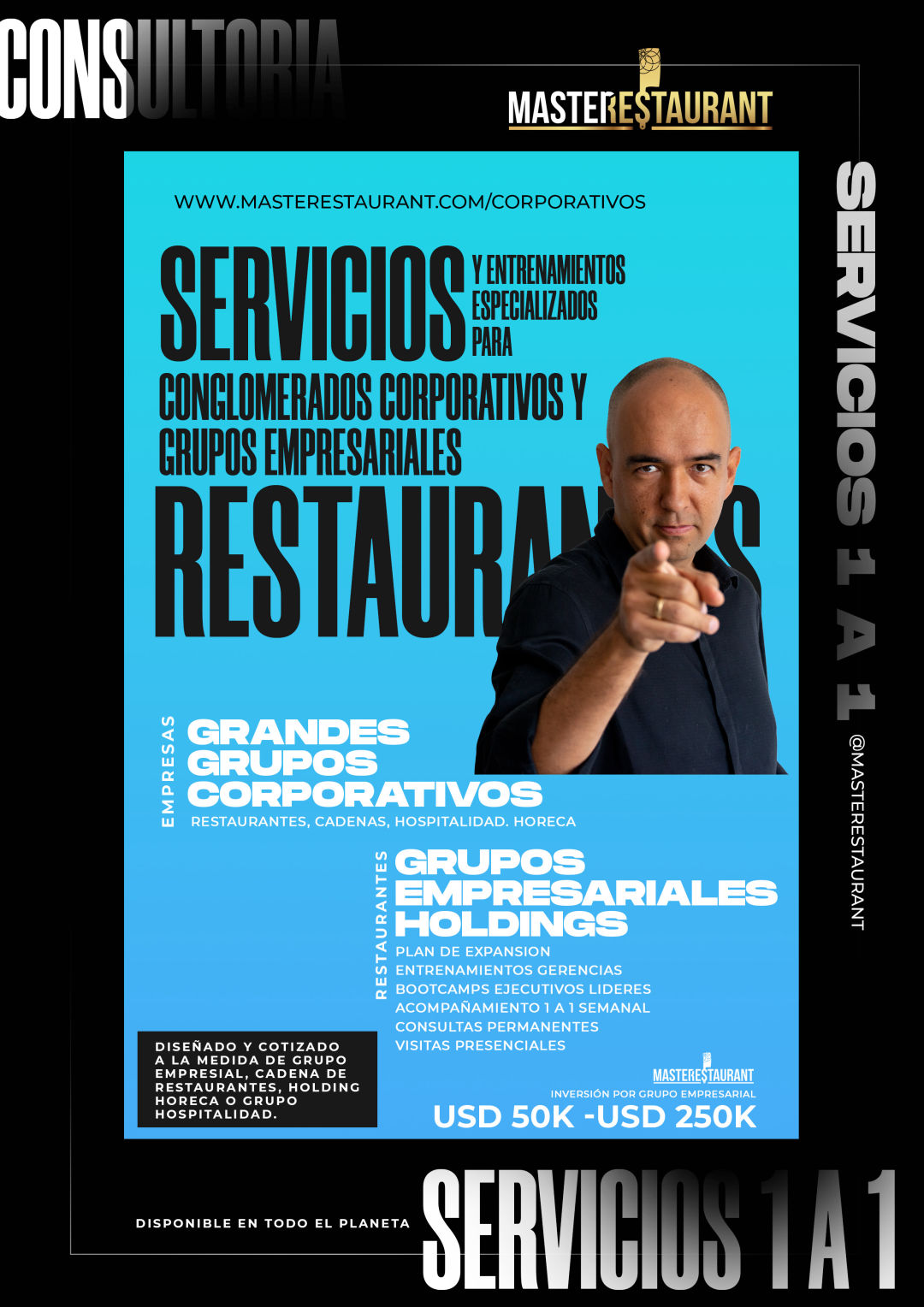

@masterestaurant
What a themed restaurant project across New Mexico is looking for when it calls
The mistake that repeats across New Mexico has a recognizable shape: the money goes first into ambiance, scenography and a long menu, and only when the novelty wears off does someone ask what each dish costs. By then the concept sits on a model that cannot hold a quiet Tuesday.
The right order is the opposite, and that is what gets worked on here: first the business model, then the experience that model can afford. 1-on-1 tailor-made consulting, workshops and private advisory with the MASTERESTAURANT methodology and its TOOLKIT, in use in 8,400+ restaurants across 43 countries.
How does themed restaurant consulting work in New Mexico?
First it confirms the concept leaves a margin in New Mexico; only then does the budget go into ambiance. The consulting starts from a strategic diagnosis and turns the project into a business model that repeats the experience without improvising.
Each project moves through the same stages, sized to it: diagnosis, business-model design with the key elements of the Restaurant Canvas, opening readiness, implementation and expansion. It covers the immersive experience, the menu and its profitability, cost structure, processes and leadership, plus partner and investor management as the concept scales. It serves concept founders, groups and chains, hotels and tourism developments, brands and investors. The concept and its intellectual property remain the client's, and the work runs on site or virtually, in English or Spanish. As a starting point, this page gathers four verified reference figures from sources such as the U.S. Travel Association and the National Restaurant Association.
What do the numbers say about the market for a themed restaurant in New Mexico?
US$1.3 trillion — direct travel spending in 2024, according to the U.S. Travel Association. Reference figures describe the setting a concept competes in; they do not say whether a themed experience will still leave a margin after opening.
For a themed restaurant, the data informs one concrete decision: how much can go into ambiance before the model stops working. Other reference points cited on this page: 15 million (jobs sustained by the travel industry, 2024, the U.S. Travel Association); 15.9 million (Forecast US restaurant industry employees for 2025, the National Restaurant Association); 5-25x (cost of acquiring a new customer vs. retaining an existing one, Harvard Business Review). In New Mexico, each figure is read alongside average check, menu engineering and Prime Cost before spending on decor, because novelty brings the first visit and margin decides whether there is a second one.
Data
Reference figures for a themed restaurant in New Mexico
The figures cited on this page, with what each one measures and its source.
| Figure | What it measures | Source |
|---|---|---|
| 5-25x | Cost of acquiring a new customer vs. retaining an existing one | Harvard Business Review |
| US$1.3 trillion | direct travel spending in 2024 | U.S. Travel Association |
| 15 million | jobs sustained by the travel industry (2024) | U.S. Travel Association |
| 15.9 million | Forecast US restaurant industry employees for 2025 | National Restaurant Association |
Each figure links to its source in the data cards on this page.
The local market
All cities in New Mexico: the market context your project must master
A themed restaurant or experiential concept attracts investment because it promises differentiation and memorable experience. In New Mexico, where local identity—vernacular architecture, heritage, culinary tradition—is a natural differentiator, the temptation is to assume the theme sustains the business. It fails: décor impacts the first three months; after that, repeat visits depend on operations, consistency, cost structure, and coherent value proposition. I've audited dozens of projects that invested $2M in ambiance and neglected menu engineering, process standardization, or Prime Cost control. Result: eroded margins, staff without protocols, experience that degrades fast. The gap between "beautiful" and "profitable" is where most immersive concepts die.
Diego's consulting operates on the principle that has driven MASTERESTAURANT: theme is not the business; it's the package. The business is an operating model that makes experience sustainable. We work from concept to scalability: strategy and storytelling aligned with local market, customer journey designed for specific consumption reasons, revenue architecture (not just food—beverages, desserts, strategic upsell), cost systems and processes that keep Prime Cost controlled, operational indicators that enable growth (new locations, franchises) without losing coherence. The methodology integrates the Restaurant Canvas, competitive analysis, financial viability assessment, and operational support that ensures every element—from ambient design to daily cash reconciliation—works as a system.
Diego brings a proven methodology from +8,400 restaurants across 43 countries, built not from theory but from daily operations. He's closed restaurant books in kitchens, reviewed dozens of financial models, audited franchise chains, worked with family enterprises on corporate governance. This authority is not marketing copy: it's the differential. An operator who has seen a beautiful restaurant fail due to cost control lapses can anticipate those risks in New Mexico. He applies specific lenses—customer rotation, ticket average elasticity, tourist vs. local market, seasonality—that reduce the risk of a project that otherwise is a leap into the void.
The project delivers real differentiation: a coherent experiential restaurant where experience and business model evolve together. This translates to sustained repeat visits (not fleeting), higher average ticket through menu engineering, operating margins that support talent retention, and scalability (new locations, licenses, franchises) without reinvention each time. Equally important: a founder who is not the bottleneck. A robust model has value for investors or strategic partners: in capital rounds or sale scenarios, what multiplies value is demonstrated sustainable EBITDA and trained teams. An immersive restaurant that is a business—not decoration—attracts investment and capital.
Market data
All cities in New Mexico in numbers: the themed restaurant market
direct travel spending in 2024
U.S. Travel Associationjobs sustained by the travel industry (2024)
U.S. Travel AssociationForecast US restaurant industry employees for 2025
National Restaurant AssociationAll cities in New Mexico as a destination
All cities in New Mexico as a destination for concept restaurants
New Mexico has a unique hospitality and leisure ecosystem. Albuquerque is the economic center, with active dining scene in Old Town and Downtown, plus annual events like Balloon Fiesta drawing seasonal high-net-worth tourism. Santa Fe is a luxury market with strong cultural identity—quality gastronomy tourism and affluent resident base. Las Cruces and secondary cities have lower density but captive markets (government workers, military proximity to El Paso, local tourism). Hotel chains and resorts statewide constantly rethink their F&B offerings for differentiation. Local culture—vernacular architecture, Pueblo and Hispanic heritage, cuisine with strong culinary identity—is an asset an experiential concept can capitalize without competing directly with traditional cooking.
The opportunity is clear: an immersive restaurant with local roots resonates with quality tourism and diners seeking narrative, not just food. The risk is equally clear: themes that age (an "80s" or "retro nostalgic" concept dates fast), décor that dominates without culinary coherence, operating costs inflated by design ambition that doesn't generate proportional returns. I've seen themed restaurants fail in markets smaller than New Mexico because the operator didn't grasp that experience is a system: slow service, overpriced mediocre food, and demoralized staff can't be saved by theme. In New Mexico, where brand loyalty is strong and community is conversational, a project born beautiful but operated poorly becomes family dinner conversation in the wrong way.
RESOURCES
MASTERESTAURANT studies, guides & tools
Reference content for owners and directors across New Mexico: proprietary indexes, tools and industry analysis:
- STUDYGamifying Performance: Physical Systems That Drive Digital Results
- STUDYHow much does it cost to create or scale a restaurant? Pricing and options
- ARTICLERestaurante fisico vs dark kitchen alternativas
- CASE STUDYPurchasing & Suppliers: Before vs After Case Study
- COMPARISONRestaurant business model: traditional method
- ARTICLERestaurant Permits & Licenses: Traditional
The themed consultant
The authority behind every profitable restaurant
Behind MASTERESTAURANT's themed restaurant consulting is Diego F Parra: engineer and C-Suite consultant with two decades creating, rescuing and expanding restaurants, franchises, dark kitchens and HORECA and hospitality groups across four continents. He doesn't arrive with theory: he arrives with the experience of having signed payrolls, negotiated leases, structured partnerships and closed expansions in operations worth hundreds of millions of dollars.
He is the creator of the MASTERESTAURANT® methodology — applied by 8,400+ restaurants across 43 countries — and its TOOLKIT of tools (MTIE, Gastronomic Radar, Standard Recipe Generator, Tech Sheets and KPI Dashboard). For a brand, a group or an investor that means one thing: every decision is made on proven data and systems, not on intuition.
Author of 3 ISBN-registered books, including «De esclavo a dueño», creator of the industry's leading podcast and of the largest bilingual community of owners, chefs and operations directors in the region (65M+ views per year as @masterestaurant), and recognized among the top Latino restaurant operations experts globally. See his full track record in Diego F Parra's professional profile.
Themed restaurant consulting with its own doctrine, not generic recipes
Themed restaurant consulting is not improvised. Every engagement is built on the Restaurant Model Canvas and real industry data — profitability, Prime Cost, cost structure, customer experience and expansion — applied to the specific business model of a themed restaurant. The goal is not a venue for the opening-night photo, but a food business that protects the concept, generates profit and can scale to new locations, licenses or franchises when the model is ready. That is why the work is organized on four fronts —diagnosis and business model; concept, menu and themed experience; structure, costs and operation; expansion, franchise and new locations— so the concept still holds up when it is no longer new.
Themed restaurant consulting from start to finish
Advisory that covers the full themed restaurant lifecycle
The diagnosis that orders everything else
Specialist diagnosis of the project and business model design with the Restaurant Canvas: value proposition, consumption moment and profitability.
Quote my diagnosisFrom concept to menu
Storytelling, menu engineering and immersive experience: the creative part, held up by costs that allow repeating it every day.
Quote the conceptCosts, structure and daily operation
Prime Cost, financial management, standardization and teams, so the restaurant works on method and not on the owner's presence.
Quote the operationScaling without diluting
Expansion, launches, franchise and partner and investor management: growing while keeping what made the concept work.
See the services portfolio (PDF)The methodology
Discover the MASTERESTAURANT methodology
What holds a concept up is a system, not a flash of inspiration: tools, processes and models you can audit.
Who is it for?
Made for brands, groups and concept founders
Private, made-to-measure support, for whoever is creating and for whoever is correcting:
Entrepreneurs and concept creators
Idea, brand and business model worked together, so the restaurant lives off what it sells and not off the noise of the opening.
Restaurant groups and chains
For portfolios that grow: a structured concept, investment protected by method and financial control from the start.
Hotels and tourism developments
So the hotel restaurant stops depending on the captive guest and starts bringing people in from outside.
Brands, IP and franchises
To replicate the concept without it degrading: standardization, processes and teams trained location by location.
Investors and family offices
To invest in hospitality with judgment: a profitable, scalable concept, with method and numbers on the table.
What's included
The modules the engagement is assembled from
These are the MASTERESTAURANT methodology modules your tailor-made programme is built from:
- Business model that turns concept into sustainable profitability
- Strategic diagnosis of the project and the personal brand
- Concept, brand architecture and themed restaurant storytelling
- Menu engineering and an experience customers pay to repeat
- Cost structure and Prime Cost: profitability protected by design
- Operational improvement and profitable standardization
- The 10 key elements of the Restaurant Canvas, optimized
- Processes, teams and leadership that run without the founder
- Expansion strategy: new locations, licenses and franchises
- Partner and investor management to scale without diluting the brand
- Executive bootcamps and training for the management team
- 1-on-1 advisory, ongoing consultations and on-site visits
- Opening readiness that protects the concept's reputation
Investment: USD $35K – $250K · tailor-made, priced to each company · spots LIMITED worldwide to guarantee the best service.
Themed packages
Tailor-made themed restaurant consulting packages
Every themed restaurant engagement is 100% personalized and tailor-made to the project and the brand. After a strategic diagnosis, it works through the 10 key elements of the business model in the MASTERESTAURANT Restaurant Canvas — from value proposition and concept to profitability, standardization and expansion. Depending on the case, the package adds menu engineering, Prime Cost and cost structure, partner and investor management, executive bootcamps for the management team, ongoing consultations with visits to the venue and opening readiness. The quote starts from the concept, where the project stands and the numbers already on the table. Priced to each project's scope (USD $35K – $250K), with limited spots worldwide to ensure dedicated attention and discretion for each client.
Themed coverage
Other territories besides All cities in New Mexico
Explore themed restaurant consulting in other territories, or go back to the worldwide index on the themed restaurants worldwide page:
Themed dining expert in AnaheimConcept restaurants in ArlingtonThemed restaurants in AtlantaThemed restaurant advisory in Atlantic City, New JerseyConcept restaurants in Augusta GeorgiaThemed restaurant consultant in Aurora IllinoisThemed dining expert in AustinThemed dining expert in Baltimore MarylandThemed restaurants in Baton Rouge, LouisianaThemed dining expert in Beverly HillsThemed restaurant consultant in Boca Raton FloridaThemed dining expert in BostonThemed restaurant consulting in Brookhaven, New YorkThemed restaurant consulting in Carson City NevadaThemed restaurants in Charlotte, North CarolinaThemed restaurant consultant in ChicagoThemed restaurant consulting in Columbia MarylandThemed restaurant advisory in Coral Gables FloridaThemed restaurant consultant in Corpus ChristiThemed dining expert in Cupertino CaliforniaConcept restaurants in DallasThemed dining expert in Delray Beach FloridaThemed restaurant consultant in El PasoThemed dining expert in State of ArizonaMore countries →More cities →
We do serve — and every city on the planet
Available on site or virtually, in English and Spanish.
Who is Diego F Parra?
Diego F Parra is an engineer and C-Suite consultant, creator of the MASTERESTAURANT® methodology —applied by 8,400+ restaurants across 43 countries— and author of 3 ISBN-registered books.
He is the consultant that brands and concepts, athletes, artists and investors choose to turn their brand into a profitable, standardized themed restaurant ready to expand. He has spent two decades creating, rescuing and expanding restaurants, franchises, dark kitchens and HORECA groups across four continents, and he works with his own tools: MTIE, Gastronomic Radar and KPI Dashboard. For a themed restaurant, that means the concept is designed as a system —tech sheets, costing, processes and KPIs— so it can be repeated in new locations, licenses or franchises without being diluted.
HORECA · Chains · Holdings · Foodtech
Private programs for groups and family offices
Training, consulting, executive bootcamps and private advisory for restaurant groups, holdings and investor families with themed restaurants.
Starting at USD $50K · tailor made, custom quoted · limited spots worldwide
Published doctrine
The books that changed restaurant management
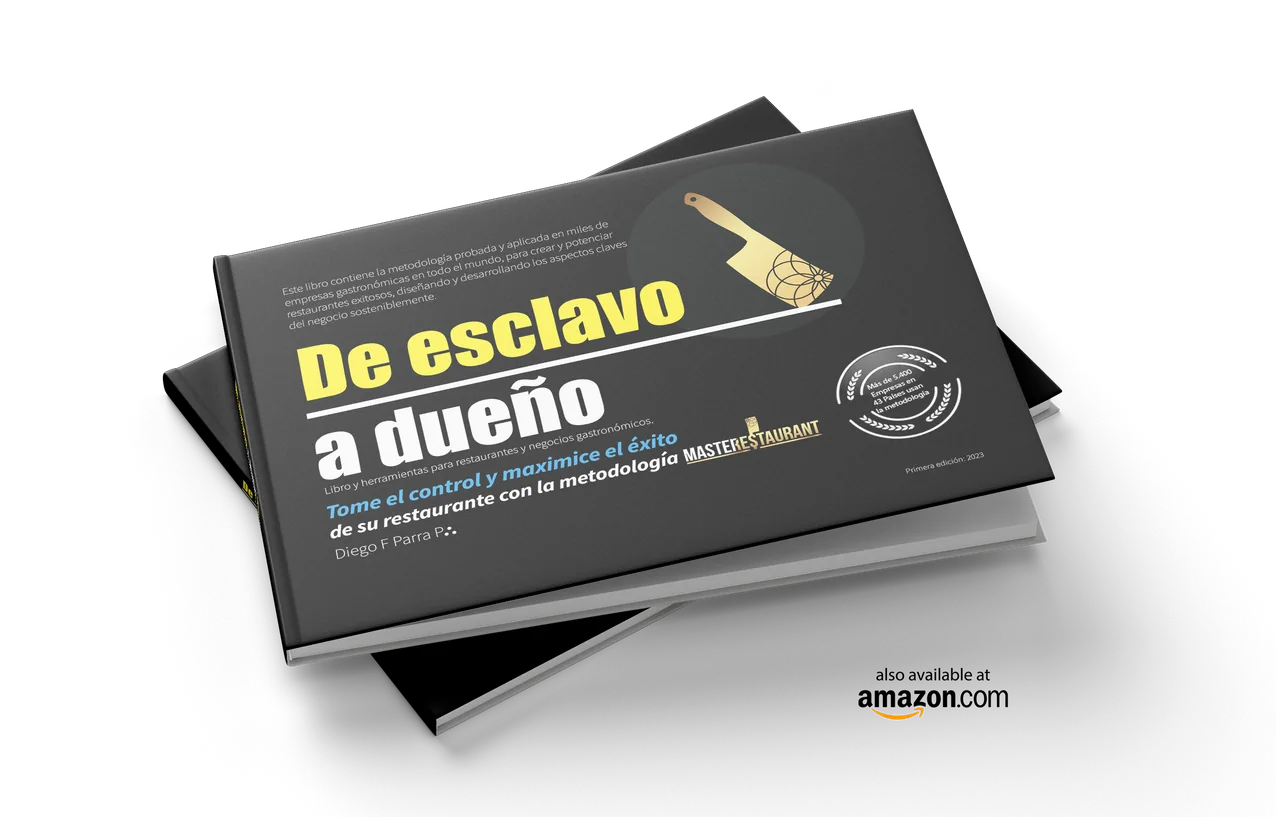
De Esclavo a Dueño
The book that changed how restaurants are managed: practical strategies and tools based on more than 20 years of experience, for traditional restaurants, dark kitchens, foodtech and HORECA businesses.
Triunfar o Morir en el Intento
Practical tools and key strategies to design and operate restaurants and food businesses efficiently.
Podcast: Masterestaurant — Mistakes for Restaurants
The public autopsy of the mistakes that bankrupt restaurants: thousands of owners and managers listen on Spotify to avoid repeating them. Condensed operating doctrine, free and direct.
Listen on SpotifyDownloads
The documents your management will ask for
MASTERESTAURANT® services portfolio
The complete intervention catalog: consulting, training, advisory and specialized services, with scopes and formats. The document to decide with your team.
Download PDFBook: From Slave to Owner
The full doctrine behind the methodology: how to structure a restaurant that runs without depending on the owner. Ideal pre-reading before your project's diagnosis.
View on AmazonPortfolio
More services by Diego F Parra and his team
Beyond themed restaurant consulting, Diego F Parra and his team offer keynotes, mentoring for owners, consulting for groups, training, programs, a membership and an interactive training kit. Everything starts from the same method and the same tools, so once the concept works, the dining-room team can train with that kit, partners can prepare the investment with the Pitch Deck service and the group can take the concept to new sites with the same criteria. The full ecosystem is available:
International keynote speakerOne-on-one consulting and advisoryPersonalized mentoring for owners (limited spots)Corporate groups and holdings consultingCelebrity Restaurants consultingThemed restaurant advisorySpecialized training programs52-Week membershipPitch deck and restaurant investment readinessExponential Program0.1 Program — Elevate Your RestaurantInteractive training kit
Direct contact
Get a quote for themed restaurant consulting for your project across New Mexico
Your message goes straight to Diego's team: concept, project stage, city and what you need to achieve across New Mexico.
“A themed restaurant in New Mexico fails when the owner confuses theme with business. I've seen $3M architecture projects go under in two years because nobody audited Prime Cost, staff had no protocols, and the revenue model didn't sustain costs. Theme opens doors; the business model is what keeps you open.”
Diego F. Parra — International consultant, expert in creating, scaling and improving restaurants, HORECA and hospitality
MASTERESTAURANT® methodology applied by 8,400+ restaurants across 43 countries · Author of 3 ISBN-registered books, including «De esclavo a dueño» · 20+ years operating restaurants, franchises, dark kitchens and HORECA groups across 4 continents
Full profile →Concept ready, numbers unfinished across New Mexico
Send the concept, its stage and your numbers for a tailored proposal.
Explore more
Themed restaurants: territories, services and ecosystem resources
Useful links for concept founders, restaurant groups, hotels, brands and investors weighing themed restaurant consulting before they decide. They cover nearby territories where the service is published, sister services in the MASTERESTAURANT ecosystem, Diego F Parra's professional profile and the management tools the methodology works with.
World's best restaurant keynote speakerWorld's best restaurant consultantC-Suite restaurant consultant for chains & groupsDiego F Parra — professional profileKeynote speaker serviceCorporate groups & holdings consultingCelebrity restaurant consultingInternational themed restaurant advisoryThemed dining expert in AnaheimConcept restaurants in ArlingtonThemed restaurants in AtlantaThemed restaurant advisory in Atlantic City, New JerseyConcept restaurants in Augusta GeorgiaThemed restaurant consultant in Aurora Illinois
FAQ
Frequently asked questions
How do you guarantee a themed restaurant will actually have repeat customers? Beautiful decoration doesn't bring people back.
Repeat visits come from experience plus value. Beautiful décor without consistent food, fast service, and coherent pricing is an expense that ages. We design the customer journey: real reasons to return (celebrations, entertainment, promotion engineering rooted in operations). We measure average ticket, table rotation, and diner composition. An immersive restaurant that sustains repeat visits is one where experience is stable month to month, the customer feels it's worth the price, and there are clear consumption moments the operator has designed.
How does your consulting differ if the restaurant is a franchise versus a single location? Can I expand without losing control?
The difference is critical. A single location lives or dies on operator consistency; a franchise lives or dies on standardization. Our support designs protocols, recipes, closing processes, and staff management that are replicable. We use specific tools: operations manuals, service guides, indicator dashboards that enable scaling. I've supported groups that grew while maintaining brand and margins because operations were coded, not in the owner's head. For franchise, we add franchisee selection and periodic audits.
How is this different from a branding agency?
Here the concept is designed together with the numbers. After the strategic diagnosis the full business model is built —value proposition, menu, experience, costs and operation—and supported through implementation and expansion.
Who keeps the intellectual property?
The client, always. The whole process is signed under NDA and neither the concept nor the brand nor the developments leave their ownership. Limited spots worldwide guarantee focus on each project.
How is the process structured?
In four linked phases: diagnosis, business-model design, implementation and support during operation and expansion. Scope defines duration, and method defines that the result does not depend on inspiration.
What is the fee range?
Between USD $35K and USD $250K for the 1-on-1 work, priced to the scope of the project and the concept. Private programs for restaurant groups and chains are quoted separately.
And if the restaurant exists and makes no margin?
That is precisely one of the entry scenarios. Costs and menu are reviewed, the operation standardized, and then it is decided whether the concept is ready to scale to new locations or to franchise.
