 MASTERESTAURANT®
Menu price increase above which restaurants expect lower profits (2026)
James Beard FoundationMASTERESTAURANT® Guide · Pricing and costs
DIEGO F PARRA · CREATOR OF THE MASTERESTAURANT® METHODOLOGY
How to raise menu prices: 6 steps and the formula to calculate themFrom the competition to the financial roadmap, with the costed standard recipe at the center
Knowing how to raise menu prices comes down to deciding with data: know your competition, review the model with the canvas, calculate the cost and margin of each dish, improve the menu and explain it before you change the number.
Go to the contribution margin tool (in Spanish)8,400+restaurants apply his methodology
43countries with supported groups
65M+views per year
2service languages: EN - ES
The guide's sheets
The tools for steps 3, 5 and 6 (in Spanish)
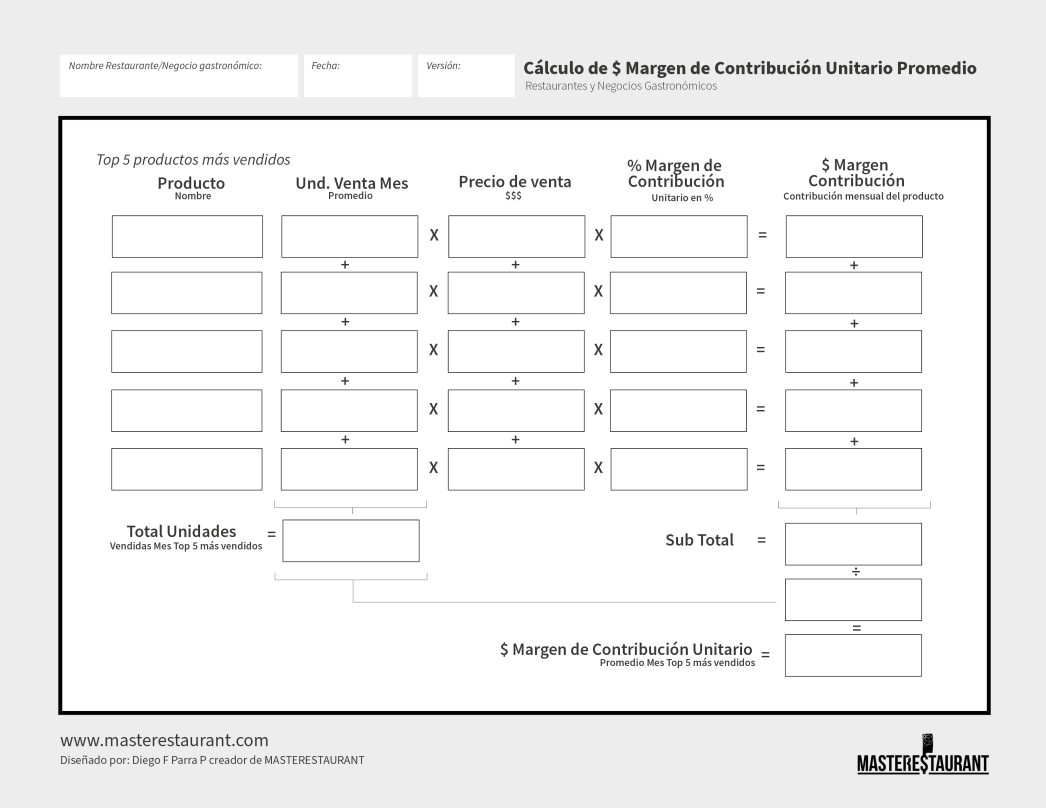
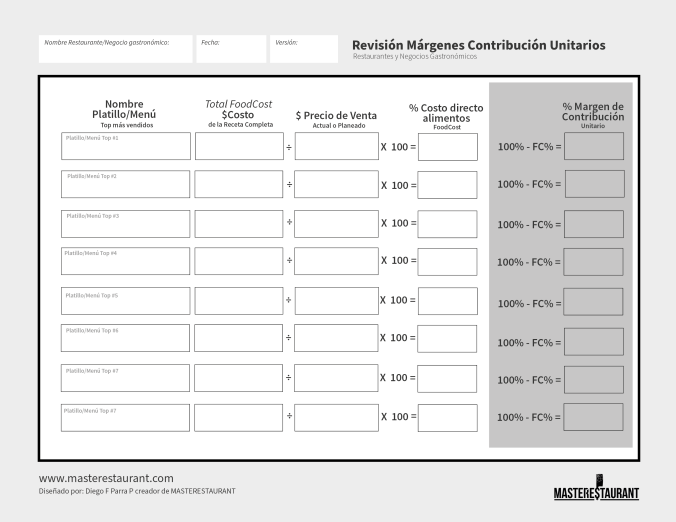
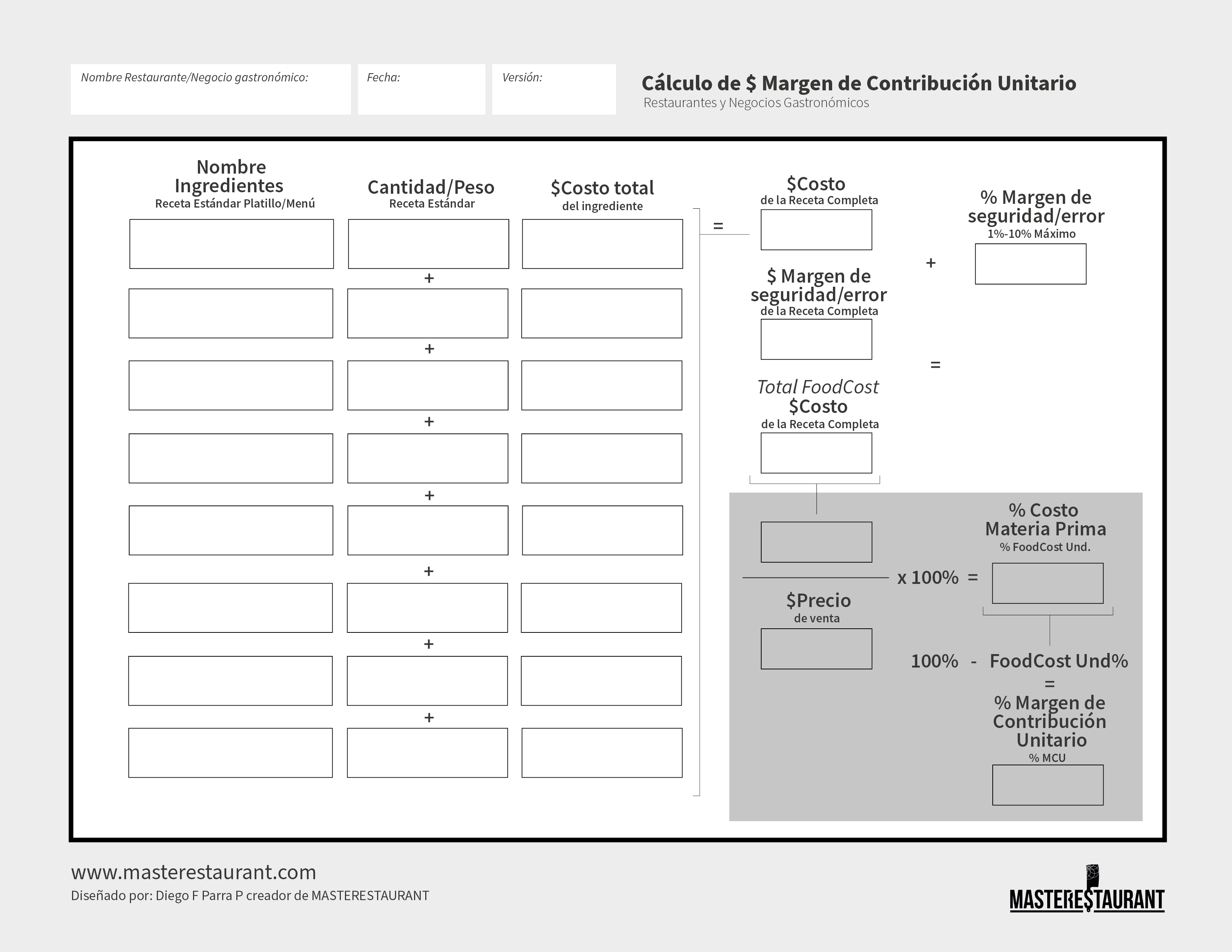
Unit contribution margin calculator (in Spanish)
Step 3: recipe cost, safety margin, cost % and contribution margin % for each dish.
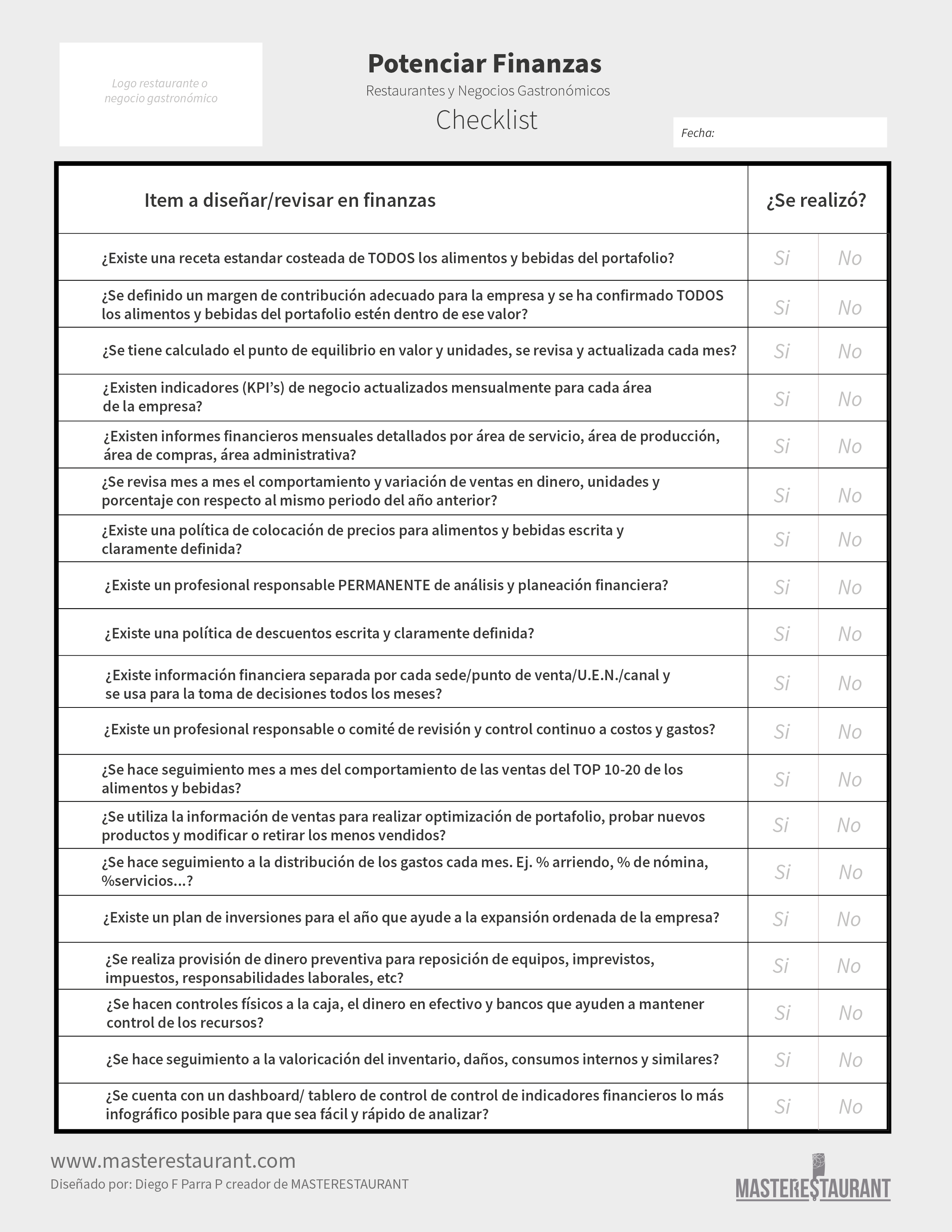
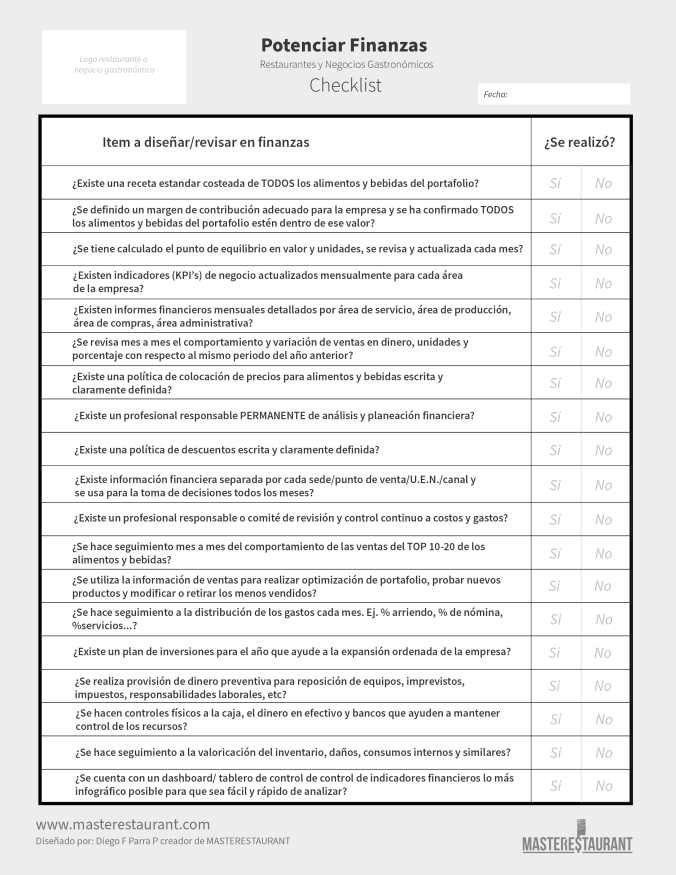
Costs and finance checklist (in Spanish)
Step 3: what to review every month before touching a price.
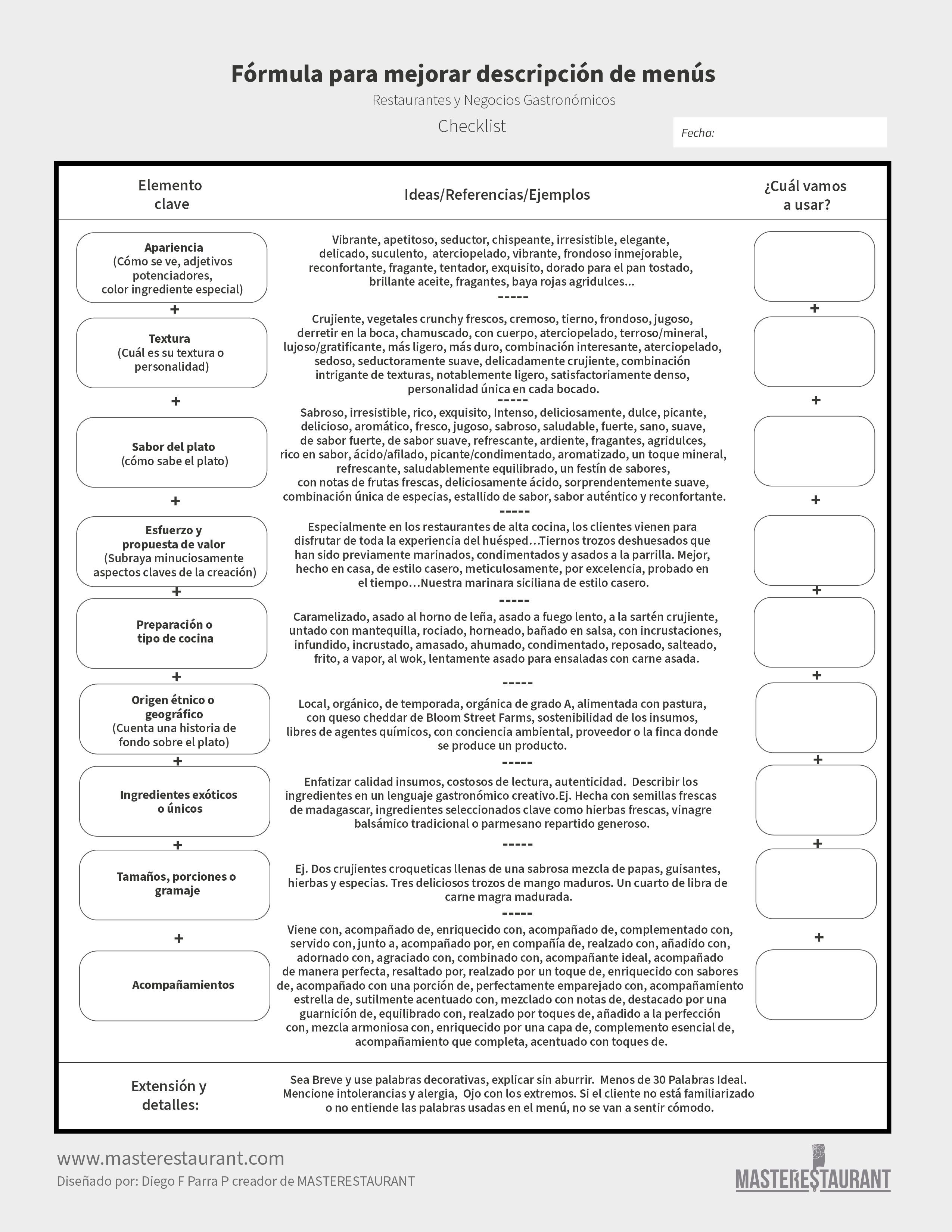
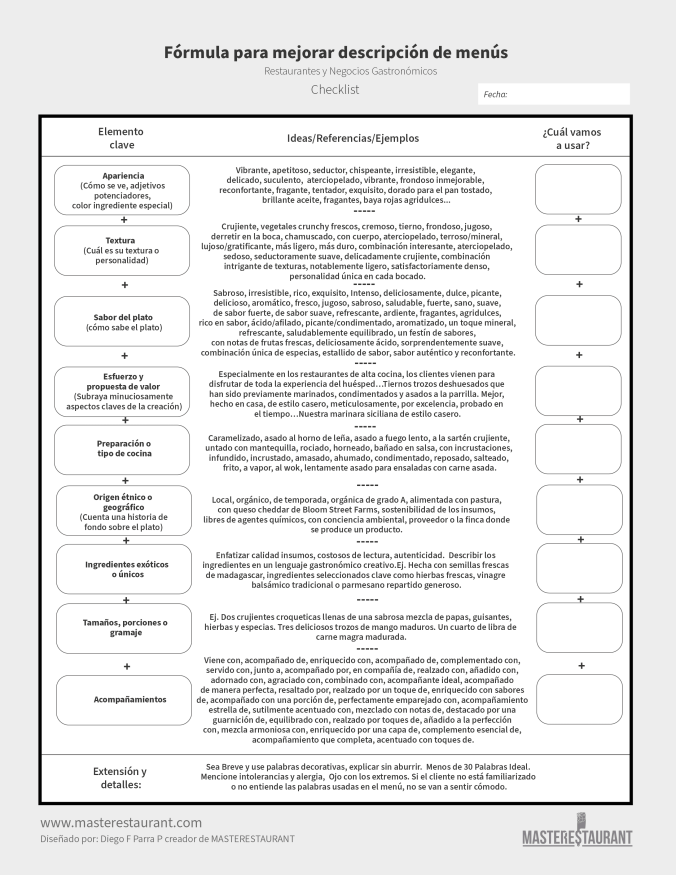
Menu description formula (in Spanish)
Step 5: the eleven elements of a description that sells, with an AI prompt.
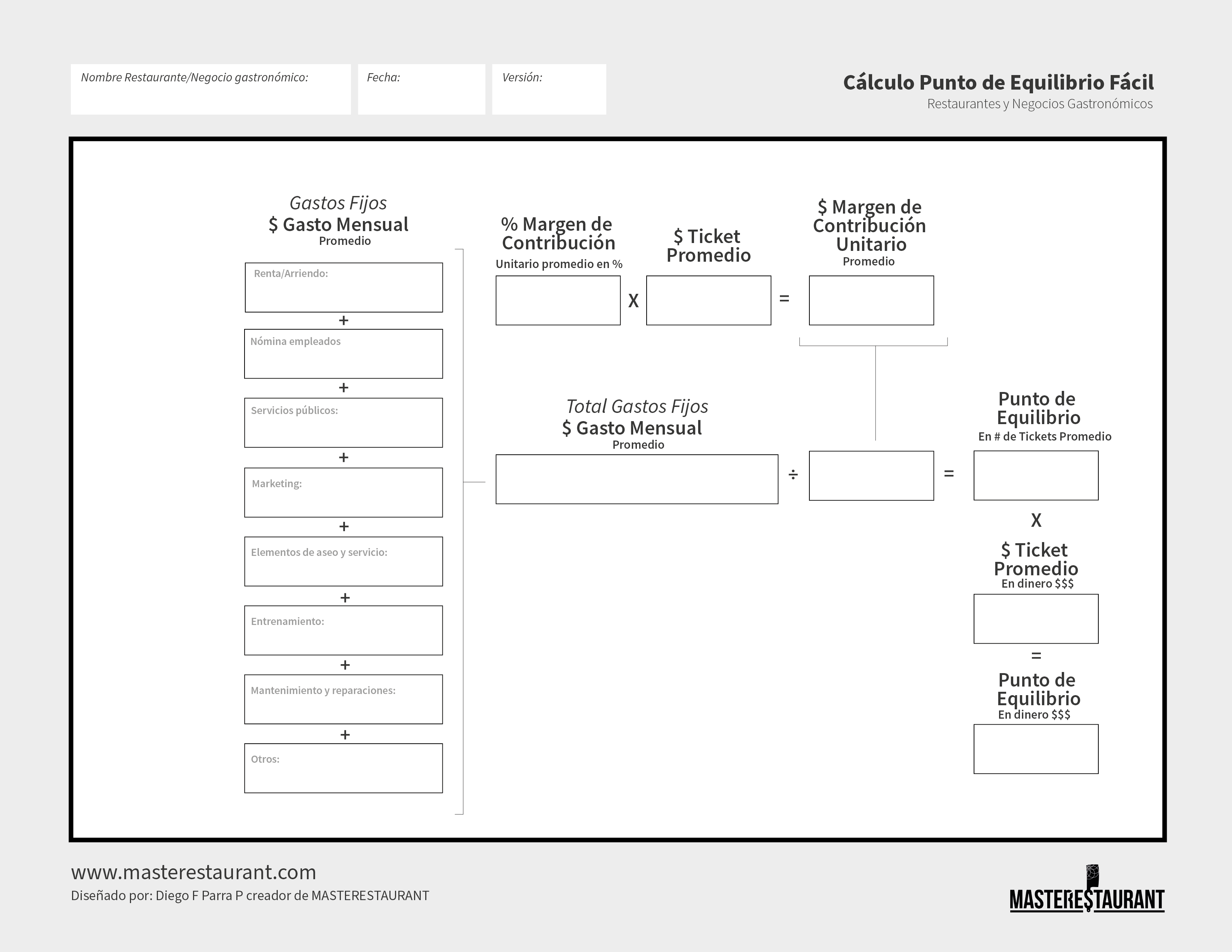
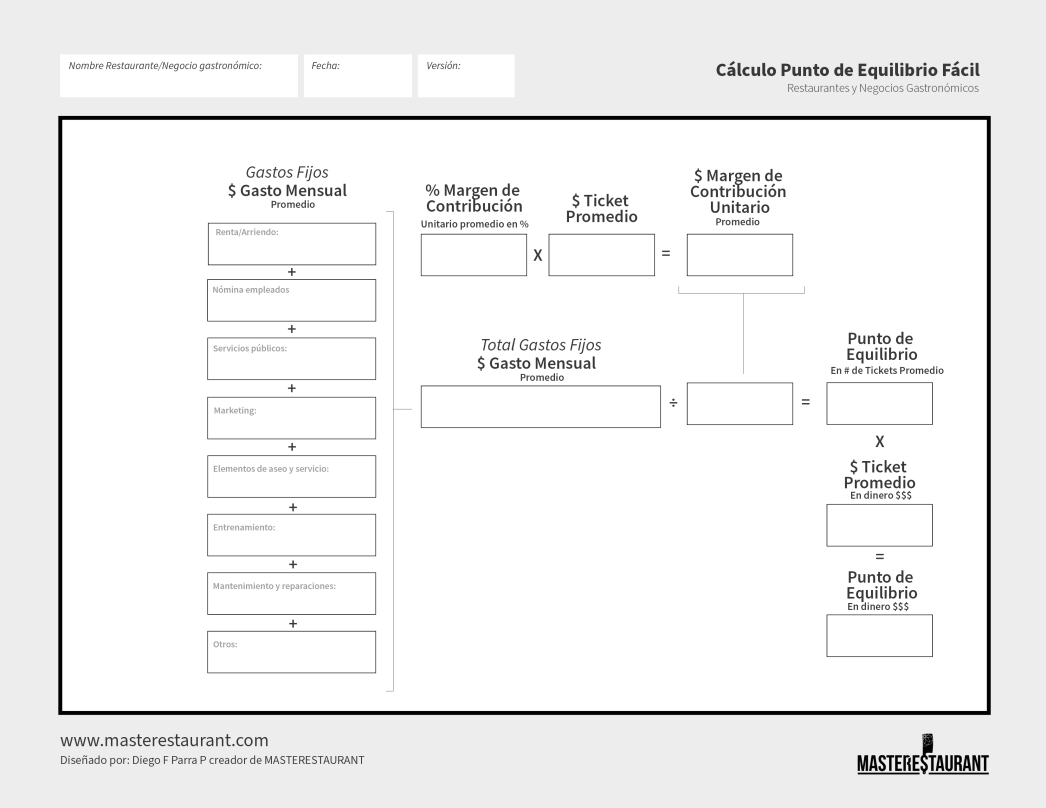
Easy break-even calculator (in Spanish)
Steps 3 and 6: how much you need to sell to cover every cost.

International validationSee Diego F. Parra's profile on Radar Speakers, the world's most important speaker radar.See profile on Radar Speakers →
10 % +9 de cada 10 3%-5% 32.0% 
@masterestaurant
Why raising prices is a strategy decision, not a calculator decision
Deciding to raise restaurant prices is delicate: it touches perceived value, sales volume and profitability at the same time. That is why this guide does not start with the number but with the competition, the business model and a financial check; financial stability is the foundation of the experience your guests pay for.
Price also tells a story: it is part of your restaurant's narrative and has to match the value proposition you offer. Each step relies on a sheet from the MASTERESTAURANT digital toolkit, designed by Diego F. Parra, which you can download free (in Spanish) and fill in with your team.
How to raise menu prices without guessing: where do you start?
Start with an order, not a number: understand your competition, review your business model, run a financial check, improve the menu, sharpen the descriptions and pull it all into a financial roadmap.
The classic mistake is raising everything by the same percentage the day the supplier invoice arrives. That punishes the dishes that were already well costed and leaves the ones losing margin untouched. This guide breaks the decision into six steps, backed by MASTERESTAURANT toolkit sheets you can download free (in Spanish): the competition map and the value proposition map, the restaurant canvas, the unit contribution margin calculator, the costs and finance checklist, the menu description formula and the break-even point. Each step produces the input for the next one. By the end, the new price is not a bet: it is the result of a measured cost and of value your guests can see on the plate.
How does the competition shape your restaurant's prices?
Setting a price starts with knowing who you compete with for each reason and moment of consumption, what they charge, what they offer and how your guests rate your value for money against theirs.
Map your direct and indirect competitors, especially the ones in your own area: their menus, their prices, their value proposition and their positioning. The MASTERESTAURANT value proposition map helps you pin down your differentiator: what you offer that is unique or better. Then ask yourself whether guests feel they get fair value for what they pay at your restaurant. Add a location check: in some neighborhoods guests will pay more for certain services, and in others the location works against you. Finally, keep an eye on market trends and consumer behavior, because preferences change, and seeing them coming lets you adjust prices in time instead of after the sale is lost. General menu pricing theory has its own piece on this site (in Spanish), linked at the end; here the focus is the increase.
Which restaurant pricing strategy fits your concept?
It depends on how you compete: on differentiation, where guests accept an increase more easily if the value is visible, or on cost efficiency, where any price change has to come with a tangible improvement.
The type of restaurant changes the strategy too. A basic or functional restaurant competes on convenience, and its guests compare every price. An everyday regular spot has more room if the experience is consistent. Special-occasion places and bucket-list destinations people visit once sell an occasion, and there the price is part of the value. Another restaurant pricing strategy is to offer price tiers for different segments: lunch specials, tasting menus or special options for events. And before you raise anything, check whether you can add value without touching the price: a better guest experience, a loyalty program or well-chosen promotions also change how guests perceive value for that reason and moment of consumption.
Why review your business model with the canvas before raising prices?
Because price is just one of the 10 elements of the MASTERESTAURANT restaurant canvas. If the value proposition, the service or the channels do not support the new price, guests notice the increase and miss the value.
The canvas covers reasons and moments of consumption, the unique value proposition, service design and theme, food and beverages, physical facilities, sales channels and model, customer segments, revenue streams, marketing channels, and the cost and expense structure. Start by understanding why guests choose you at a specific moment. Design the service as a series of micro-moments, from the time guests walk in until they leave. Review your signature dishes and drinks with both guest taste and cost in mind. Look at your facilities for how they work, not just how they look: the storefront, furniture and lighting all communicate your brand. And explore other revenue streams, such as multi-brand products, renting out your space or product placement.
How do you price a menu item with the contribution margin formula?
With the costed standard recipe for each dish: add up the ingredient cost, add a safety margin for error and divide that total cost by your target cost percentage. The result is the price.
The unit contribution margin sheet uses three formulas. Total cost = recipe cost + safety margin (the sheet asks for 1% to 10% at most). Cost percentage = total cost ÷ selling price × 100. Unit contribution margin = 100% − cost percentage. To solve for the price: price = total cost ÷ target cost percentage. For example, if a recipe costs $4.20 and you add a 5% safety margin, the total cost is $4.41; with a sample target of 30%, the price is $4.41 ÷ 0.30 = $14.70. That shows you which dishes need to go up, which ones already meet the target and which ones need to be redesigned.
What should you check in your finances before a menu price increase?
Your break-even point in dollars and units, the KPIs for each area, the monthly financial reports, sales against the same month last year and a written pricing policy.
The break-even point tells you how much you need to sell to cover every cost; keeping it current shows you whether an increase is really needed or whether the problem is somewhere else. KPIs for service, production, purchasing and administration, reviewed every month, are your early warning for any deviation. Reports by area show where the money goes. A monthly review of sales in revenue, units and percentage against the prior year separates a seasonal dip from a drop caused by price. A written food and beverage pricing policy prevents impulsive decisions and keeps price aligned with your value proposition. The toolkit's costs and finance checklist covers all of this on one sheet.
How do you improve the dish and its description to support the new price?
Review the value of each dish with the food and beverage design T, from the recipe to the portion weight, and rewrite its description with the MASTERESTAURANT formula so guests can see what they are paying for.
If you upgraded ingredients or presentation, the price can reflect it, always with an updated standard recipe and the contribution margin you set. If your guests care about sustainability or sourcing, call it out on the menu. The description works with eleven elements: appetizing appearance, colors and special ingredients, textures that invite a taste, flavor, the effort behind the dish, the preparation and style of cooking, the story or origin, unique ingredients, portion size, sides, and key details, in under 30 words and flagging intolerances and allergens. The formula sheet includes a prompt to write them with ChatGPT or another AI tool.
How do you communicate the increase and track it with a financial roadmap?
Tell guests plainly what improved on the menu, measure every month how sales and perception change, and organize the adjustments in a financial roadmap with dates and owners.
The roadmap can move in small, gradual steps or through larger rollouts: it depends on where the restaurant stands and how much the partners can invest. Start with an analysis of operating costs (food, labor, rent and other fixed costs), update the break-even point and set KPIs such as cost of food sold, contribution margin and inventory turnover. Keep recipes standardized and costed, document the pricing policy and build a schedule of prioritized actions. Share the roadmap with your team and train them, because the server is the one who explains the new price at the table. And keep it alive: the market, regulations and tastes change, and the plan adjusts with them.
Example
How to calculate a dish's price with the sheet
Four sample dishes run through the formulas on the unit contribution margin sheet. Sample safety margin: 5%. Sample cost target: 30% of the price (a 70% contribution margin).
| Recipe cost | Total cost (+5%) | Current price | Current cost % | Price for a 30% cost | |
|---|---|---|---|---|---|
| Beef entrée | $4.20 | $4.41 | $13.00 | 33.9% | $14.70: raise |
| House salad | $2.00 | $2.10 | $6.50 | 32.3% | $7.00: raise |
| House pasta | $2.40 | $2.52 | $9.00 | 28.0% | $8.40: keep |
| Dessert | $1.10 | $1.16 | $4.50 | 25.8% | $3.87: keep |
Sample figures, not from a real restaurant. The 30% is a sample target: each restaurant sets its own based on its concept, its competition and its cost structure. Formulas: total cost ÷ price × 100 = cost %; price = total cost ÷ target cost %.
Sourced data
Costs, margins and menu price increases: what the sources say
Operators citing food, labor, insurance, energy and swipe fees as significant challenges (2026)
National Restaurant AssociationAverage restaurant net profit margin
ToastFood and non-alcoholic beverage cost in full-service restaurants was 32.0% of sales (median, 2024)
National Restaurant AssociationRESOURCES
MASTERESTAURANT studies, guides & tools
Reference content for owners and directors in your market: proprietary indexes, tools and industry analysis:
- AI PROMPTRecipe Cost Variance Analyzer for Restaurants
- CASE STUDYOwner-Dependent vs Autonomous Restaurant: a Masterestaurant Case Study
- COMPARISONMyth vs Reality: Physical restaurant vs dark kitchen
- DATAAutonomous Restaurant Business Without the Owner: Myth
- CASE STUDYArtificial intelligence in restaurants: data and impact
- CASE STUDYRestaurant Menu Pricing 2026: Traditional Method
- ARTICLEBenchmarks food cost prime cost margenes restaurantes datos
Who created them
Tools from someone who has run restaurants
This guide and its sheets are designed by Diego F Parra, creator of the MASTERESTAURANT methodology: engineer and consultant with more than 20 years working inside restaurants, ghost kitchens and restaurant groups in 43 countries.
Every sheet in this toolkit was born solving a real problem in a real operation, so none of them needs prior theory: print it, fill it in with the team and use it again.
In this guide that shows in three decisions: the price comes from the costed standard recipe, not from this month's invoice; the increase is made dish by dish, not across the board; and no change goes on the menu without an improvement guests can see.
The methodology
Discover the MASTERESTAURANT methodology
Behind every restaurant that grows profitably there is a system, not luck: the MASTERESTAURANT methodology, applied in 8,400+ restaurants across 43 countries.
Who is Diego F Parra?
Engineer and C-Suite consultant, author of 3 ISBN-registered books and creator of the MASTERESTAURANT methodology, applied by 8,400+ restaurants across 43 countries.
Published doctrine
The books that changed restaurant management
De Esclavo a Dueño
Practical strategies and tools from Diego F. Parra to take control of a restaurant, based on more than 20 years of experience.
Triunfar o Morir en el Intento
Practical tools and key strategies to design and operate restaurants and food businesses efficiently.
Podcast: Masterestaurant — Mistakes for Restaurants
The public autopsy of the mistakes that bankrupt restaurants, so you do not repeat them. Every episode is condensed operating doctrine, open to everyone, direct, no anesthesia.
Listen on SpotifyDownloads
Resources and access
MASTERESTAURANT services portfolio
The complete catalog of services, programs and engagements of the ecosystem, with scopes and formats.
Download PDFBook: From Slave to Owner
The complete doctrine of the owner who takes control and maximizes the success of their restaurant.
See on Amazon52-Week Membership: group trainings and mentoring
Access to the MASTERESTAURANT membership of group trainings and mentoring sessions for 52 weeks.
Learn about the membershipDirect payment for your session
Reserve your seat with direct payment: Bold, PayU or PayPal (payment links are confirmed and updated when scheduling).
Pay with BoldPortfolio
More services by Diego F Parra and his team
If you want to adjust your menu prices with support, Diego F. Parra and his team work on it through training, mentoring and consulting: the menu gets costed, the pricing policy gets defined and the financial roadmap is built with your team. These are their services:
International keynote speakerOne-on-one consulting and advisoryPersonalized mentoring for owners (limited spots)Corporate groups and holdings consultingCelebrity Restaurants consultingThemed restaurant advisorySpecialized training programs52-Week membershipPitch deck and restaurant investment readinessExponential Program0.1 Program — Elevate Your RestaurantInteractive training kit
From template to results
Want this working every day in your restaurant?
The tool gives you the template. The program gives you the method and the guidance to use it every week, with your team.
Direct contact
Want help costing and adjusting your menu?
Your message goes straight to Diego F. Parra's team. Tell us what kind of restaurant you run, how many dishes are on the menu, whether you have costed standard recipes and what you need to achieve with your prices, and we will reply with a tailored proposal.
Want to adjust your menu prices with a method?
Tell us which step you are on and we will tell you where to go next: recipe costing, pricing policy or financial roadmap.
Explore more
Related tools and resources
The sheets for each step, the pricing and cost guides and the MASTERESTAURANT programs to decide a menu price increase with numbers. The toolkit sheets are free to download and printed in Spanish.
World's best restaurant keynote speakerWorld's best restaurant consultantC-Suite restaurant consultant for chains & groupsDiego F Parra — professional profileKeynote speaker serviceCorporate groups & holdings consultingCelebrity restaurant consultingInternational themed restaurant advisoryServices portfolioOne-on-one consultingMentoringMTIE — Territory EngineGastronomic RadarStandard Recipe GeneratorRestaurant pricing trends (in Spanish)Tool: unit contribution margin calculator (in Spanish)Tool: average contribution margin percentage (in Spanish)Tool: easy break-even calculator (in Spanish)Menu description formula (in Spanish)Costs and finance checklist (in Spanish)Food and beverage menu checklist (in Spanish)Marketing checklist (in Spanish)Restaurant competition map (in Spanish)Value proposition vs. competition map (in Spanish)Reasons and moments of consumption map (in Spanish)Restaurant business model canvasStandard recipe templateRestaurant expansion timeline (in Spanish)Restaurant pricing and costs (in Spanish)Profitability by dish: prices and costs (in Spanish)What food cost is and how to calculate it (in Spanish)Restaurant KPI dashboardCA$H program: restaurant finance and costsFree class on restaurant costs (in Spanish)Guide: restaurant marketing strategies (in Spanish)Dark kitchens and ghost kitchens (in Spanish)Blog: the 10 elements of the restaurant canvas (in Spanish)Blog: 6 growth and marketing strategies for restaurants (in Spanish)Blog: designing a successful restaurant business model (in Spanish)MASTERESTAURANT blog: post #016 (in Spanish)Blog: themed service experiences (in Spanish)Blog: restaurant branding and naming (in Spanish)
FAQ
Frequently asked questions
How do you raise menu prices without losing customers?
Raise prices dish by dish, not across the board, starting with the ones below their target margin. Improve what guests see (recipe, portion, presentation and description) before changing the number, explain the change openly and train your team to talk about it. Then track sales and guest perception every month and adjust.
How often should a restaurant raise its prices?
Only when the numbers call for it and the improvement is ready. What you review every month is the cost of your standard recipes and the contribution margin, along with your KPIs and financial reports. Reviewing often does not mean raising often: it means spotting early any dish that has stopped being profitable.
How many sales can I lose after a price increase?
Divide today's contribution margin in dollars by the new one: the result is the share of current units you need to sell to earn the same. For example, a $10 dish that costs $3.50 contributes $6.50; at $11 it contributes $7.50, and 6.50 ÷ 7.50 = 0.87: with 87% of the units you earn the same.
Is it better to raise every price or only some dishes?
Almost always, only some. The costed standard recipe shows which dishes fell below the margin you set and which ones are still fine. Raising everything by the same amount punishes the healthy dishes and leaves the losing ones as they were. Signature dishes, which define your value proposition, need more care and a visible improvement.
What is the difference between a price increase and a pricing policy?
A price increase changes the number on some dishes; a pricing policy sets out in writing how that number is decided: the target contribution margin, how often recipe costs are reviewed and what happens when a supplier raises prices. With a written policy, an increase stops being a reaction.
Does this guide include a template to calculate prices?
Yes. The MASTERESTAURANT toolkit's unit contribution margin sheet downloads free from the button on this page. It is in Spanish and has ingredients, quantity, cost, safety margin, cost percentage and contribution margin percentage, one dish per sheet, ready to print.